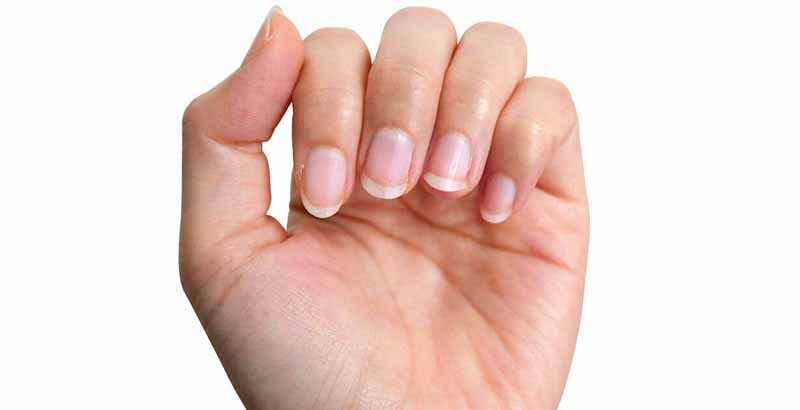
You’ve tried every strengthener, every base coat, every “miracle” treatment, yet your nails still peel, split, or break the moment they reach a decent length. The problem might not be what you put on your nails—it could be what you’re not putting in your body. Vitamins and minerals are the building blocks of healthy keratin, the protein that makes up your nails. Without them, even the most expensive polish won’t fix fragile nails.
This guide explains how vitamins affect nail health, what deficiencies look like, how to supplement wisely, and simple daily habits that keep your nails strong.
The Role of Vitamins in Nail Health
Your nails grow from the matrix, a hidden area beneath your cuticle. For the matrix to produce smooth, thick, flexible nail cells, it needs a steady supply of specific nutrients. Think of vitamins as the raw materials for a construction project: when the delivery truck arrives on time, the building goes up straight and strong. When materials are missing, the structure becomes weak, cracked, or misshapen.
Key vitamins and their jobs:
- Biotin (vitamin B7) – The superstar for nail strength. Biotin helps the body produce keratin and has been shown in multiple studies to increase nail thickness, reduce splitting, and improve overall texture.
- Vitamin B12 – Supports red blood cell production and nerve function. Healthy blood flow to the nail matrix is essential for delivering oxygen and nutrients.
- Vitamin C – Necessary for collagen production. Collagen provides structure to the nail bed and the skin around the nail. Without enough vitamin C, nails can become brittle and slow to grow.
- Iron – Not a vitamin but a mineral equally critical. Iron helps carry oxygen to the matrix. Low iron (anemia) is a leading cause of thin, spoon‑shaped nails (koilonychia).
- Zinc – Plays a role in cell division and protein synthesis. Zinc deficiency often shows up as white spots (leukonychia) or slow, uneven nail growth.
What Vitamin Deficiencies Look Like on Your Nails
Your nails are a window into your overall health. They often show the first visible signs of a nutritional gap. Here’s what to look for:
Brittle nails that split or peel easily – This can be a sign of biotin deficiency or low iron. When the nail plate lacks the lipids (oils) that hold its layers together, it flakes apart.
Thin, flat, or spoon‑shaped nails (koilonychia) – Classically associated with iron deficiency anemia. The nail becomes concave and may even hold a drop of water.
White spots or bands (leukonychia) – While often caused by minor trauma, persistent or widespread white spots can indicate zinc deficiency or low protein intake.
Slow growth or ridges – Vertical ridges are often age‑related, but when combined with other symptoms, they may point to low B vitamins, particularly B12.
Discoloration (pale or yellowish) – Pale nail beds can signal anemia. Yellowish nails without a fungal cause may indicate a deficiency in certain antioxidants like vitamin E.
Brittle, crumbly nails that break below the free edge – This is often a combination of biotin and iron deficiencies, as both affect the nail’s structural integrity.
It‘s important to remember that nail changes alone aren’t a diagnosis. Many factors—aging, trauma, environmental exposure, underlying illness—can mimic nutritional deficiencies. But if you‘ve ruled out other causes, your diet is a logical place to look.
How to Strengthen Nails with Vitamins and Supplements
Before you run out and buy every bottle on the shelf, know that more isn’t always better. The goal is to correct deficiencies, not mega‑dose unnecessarily. Always talk to a healthcare provider before starting supplements, especially if you take other medications.
Biotin (Vitamin B7)
The most researched supplement for nail health. Several controlled trials have shown that 2.5 mg (2,500 mcg) of biotin daily can increase nail thickness by 25% and reduce splitting by 42% in people with brittle nails. It may take 6–8 weeks to see visible improvement.
Food sources: eggs (especially the yolk), nuts (almonds, walnuts), seeds (sunflower), sweet potatoes, salmon, and avocado.
Iron
If your nails are thin, flat, or spoon‑shaped, ask your doctor to check your ferritin (stored iron) levels. Iron from food is better absorbed when paired with vitamin C. Avoid taking calcium or tea at the same time as iron—they block absorption.
Food sources: red meat, poultry, lentils, spinach, fortified cereals, and tofu.
Vitamin C
Helps your body absorb iron and builds collagen. If you take an iron supplement, take it with a glass of orange juice or a vitamin C‑rich meal.
Food sources: citrus fruits (oranges, grapefruit), bell peppers, strawberries, kiwi, broccoli, and tomatoes.
Zinc
Supports the production of keratin and helps prevent white spots. Zinc is particularly important if you have a vegetarian or vegan diet, as plant‑based zinc is harder to absorb.
Food sources: oysters (the richest source), beef, pumpkin seeds, chickpeas, cashews, and lentils.
B Vitamins (B12, folate, B6)
A B‑complex supplement can benefit people with poor diets, digestive issues, or heavy alcohol use. B12 is naturally found only in animal products, so vegans and vegetarians may need a supplement.
Food sources for B12: clams, fish, meat, eggs, and fortified plant milks.
Collagen Peptides
While not a vitamin, collagen supplements (hydrolyzed collagen) have shown promise in improving nail growth and reducing brittleness. Some studies suggest 2.5 grams of collagen peptides daily for 24 weeks significantly increases nail growth and reduces breakage.
Daily Nail Care Tips to Maximize Vitamin Benefits
Vitamins work from the inside, but what you do on the outside matters just as much. Here are simple habits that protect and strengthen your nails while you address nutritional gaps.
Moisturize relentlessly. Even the healthiest nail can crack if it’s dry. Apply cuticle oil (jojoba or vitamin E) morning and night, and use a rich hand cream after every hand wash.
Wear gloves for wet work. Water, dish soap, and cleaning chemicals strip natural oils from the nail plate. A pair of rubber gloves protects your progress.
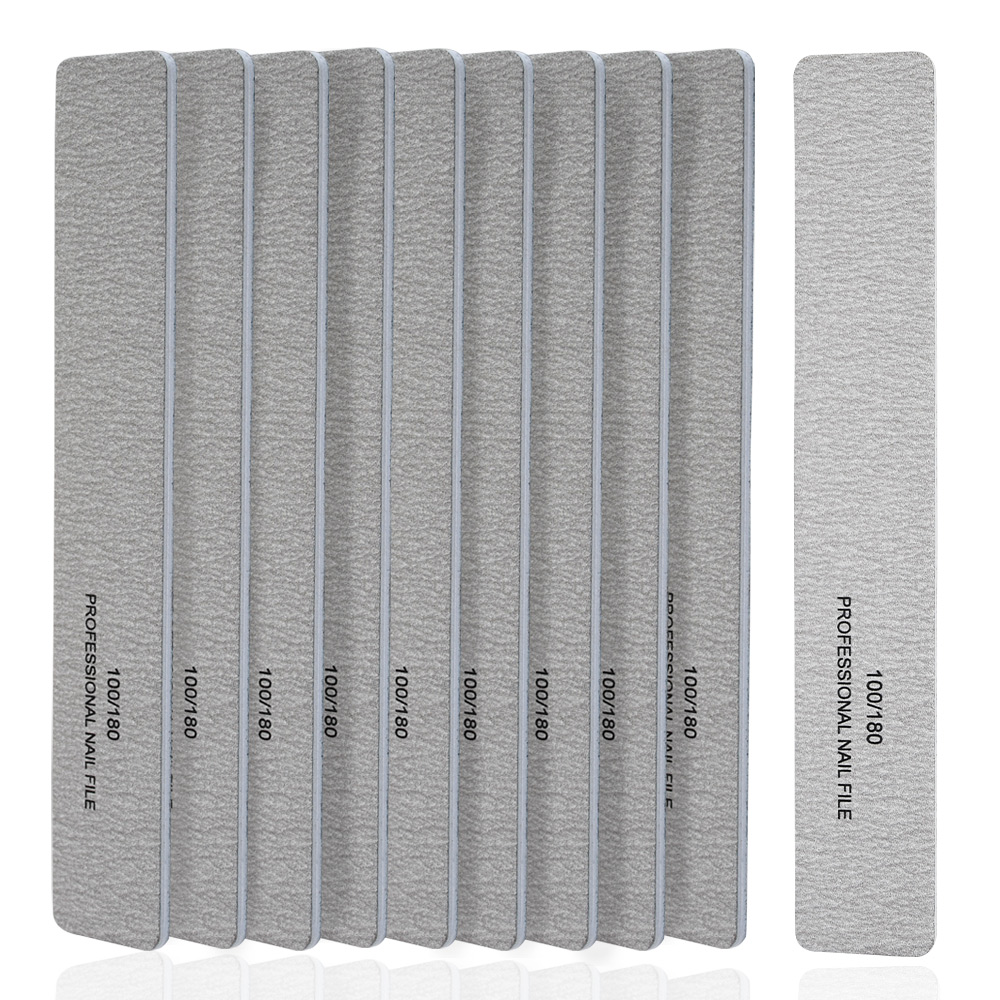
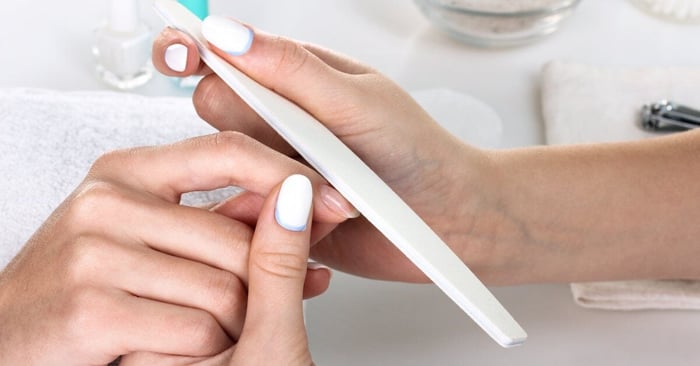
File correctly. Use a fine‑grit nail file (240+) and file in one direction only. Sawing back and forth creates micro‑tears that lead to peeling and splitting.
Keep nails short while they recover. It‘s tempting to try for length, but short nails are less likely to snag and break. Let strength come first.
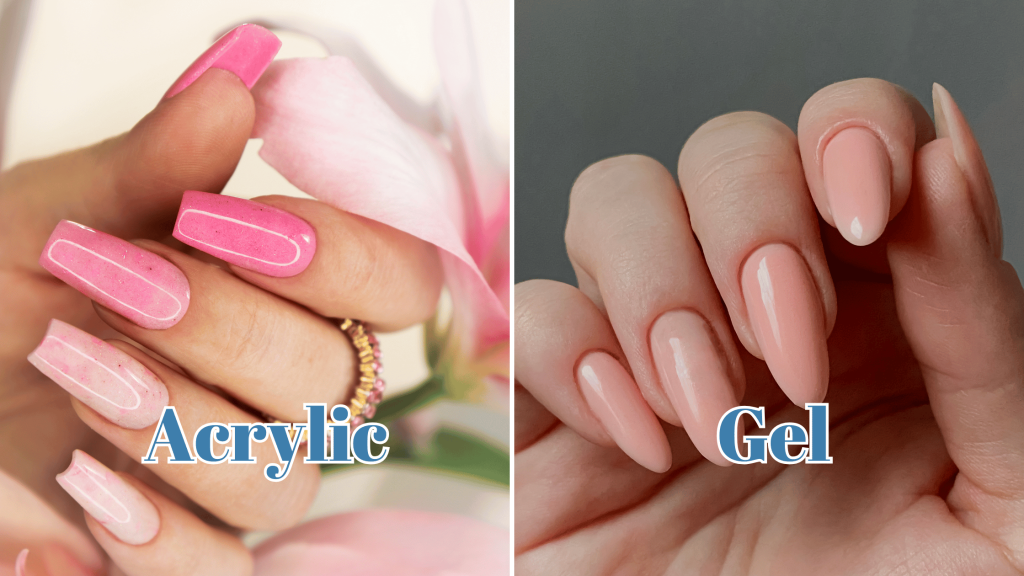
Give gel and acrylic a break. The removal process—acetone soaks and filing—can dehydrate and thin already weak nails. Take a month off from enhancements to let your nails rebuild.
Don’t cut cuticles. The cuticle is a protective seal. Cutting it invites infection and can damage the matrix. Push cuticles back gently after a shower.
Eat a balanced diet. No single vitamin is a magic bullet. Whole foods provide a synergy of nutrients that supplements can’t fully replicate. Aim for protein at every meal, colorful vegetables, healthy fats, and adequate hydration.
When to See a Doctor
If you’ve improved your diet, started a supplement, and practiced good nail care for three months with no improvement—or if your nails suddenly change color, develop deep horizontal grooves (Beau’s lines), or separate from the nail bed—see a dermatologist or your primary care provider. Sometimes persistent nail problems are the first clue to thyroid disease, psoriasis, or another systemic condition that needs medical treatment.
The Bottom Line
Strong, healthy nails don’t come from a bottle of polish. They grow from within. Vitamins like biotin, iron, vitamin C, and zinc provide the raw materials your nail matrix needs to produce smooth, thick, flexible keratin. Combined with gentle daily care—moisturizing, protective gloves, correct filing—you can transform weak, peeling nails into resilient ones. Be patient. Nails take 4–6 months to fully replace themselves. Your consistency will show up in every millimeter of growth.
Have you noticed a change in your nails after adjusting your diet? Share your experience in the comments — I’d love to hear what worked for you.
Read also: Wedding Nail Art 101: The Ultimate Bridal Manicure Guide
One thought on “How Vitamins Affect Your Nail Health: Strengthen Weak Nails from the Inside Out”