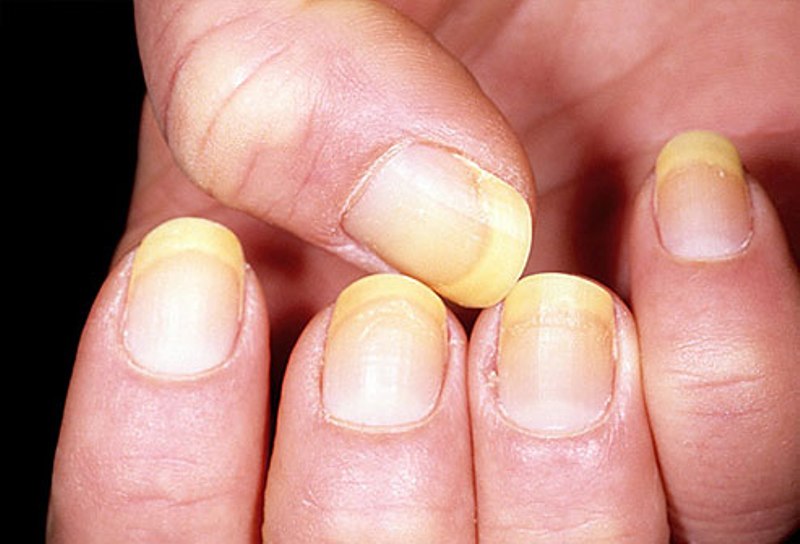
I remember the shock of removing a dark red polish after a week and finding my nails stained a dull, yellowish colour. I assumed I had a fungal infection or that my nails were permanently damaged. It took weeks of gentle buffing and care to restore their natural colour. Since then, I have learned that yellow nails are usually preventable and often fixable. Here is everything I have learned about why nails turn yellow, how to treat them, and how to keep them looking their natural best.
Why Do Nails Turn Yellow?
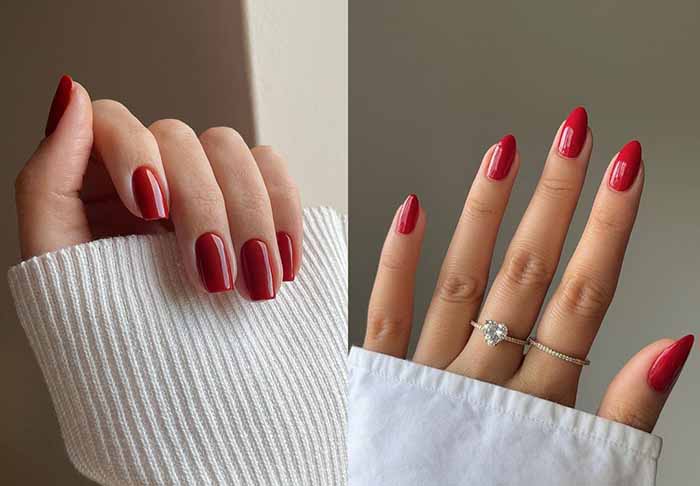
The most common cause of yellow nails is staining from nail polish. Dark colours—especially reds, blues, and purples—contain pigments that can seep into the porous layers of the nail plate, leaving a yellowish or orange tint. This is particularly noticeable with cheaper polishes that use low-grade pigments.
Nicotine and tar from smoking are another significant cause. The yellowing is often more pronounced on the fingers that hold the cigarette and can be difficult to remove without professional treatment.
Fungal infections are a more serious cause. Fungal infections can cause the nail to thicken, crumble, and turn yellow or brown. Unlike staining, this discolouration is usually accompanied by other symptoms. If you suspect a fungal infection, consult a healthcare professional.
Health conditions such as thyroid disorders, psoriasis, and respiratory issues can also cause yellowing. In these cases, yellow nails are a symptom of an underlying issue.
Finally, repeated exposure to nail polish remover (especially acetone) can dry out the nail plate, making it more porous and prone to staining.
Common Mistakes That Worsen Yellow Nails
Skipping base coat. This is the number one cause of staining. Base coat creates a barrier between the pigment and the nail plate. Without it, dark pigments seep directly into the nail.
Wearing polish too long. Leaving polish on for weeks (especially gel or acrylic) can trap moisture and allow pigments to penetrate deeper. Even with a base coat, extended wear can cause staining.
Using cheap or low-quality polishes. Inexpensive polishes often contain lower-quality pigments that are more likely to stain. Professional-grade polishes use higher-quality pigments that are less likely to penetrate the nail plate.
Not giving nails breaks. Constant coverage prevents the nail plate from breathing and can trap moisture, leading to staining.
Overusing acetone removers. Acetone is extremely drying and can make the nail plate more porous, increasing the risk of staining.
How to Treat Yellow Nails
If your nails are already yellow, there are several effective treatments.
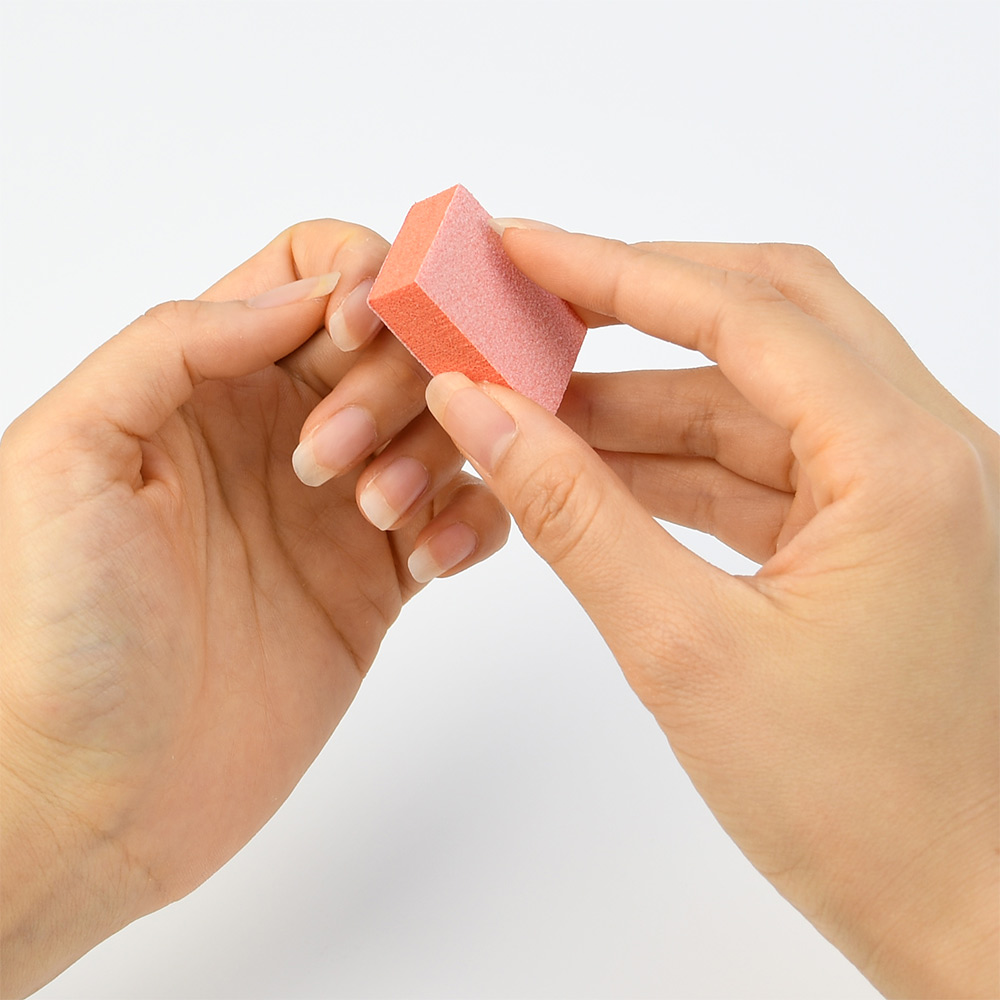
Gentle buffing. Use a fine buffer block to gently buff the surface of the nail. This removes the top layer of stain without thinning the nail. Be very gentle—over-buffing can weaken the nail. Two or three light passes are enough.
Lemon juice soak. Soak your nails in a mixture of lemon juice and warm water for 10-15 minutes. Lemon juice is a natural bleaching agent. Rinse and moisturise immediately afterward.
Baking soda paste. Mix baking soda with a few drops of water or hydrogen peroxide to form a paste. Apply to your nails and let it sit for 5-10 minutes, then rinse. Baking soda is a mild abrasive that can lift surface stains.
Whitening toothpaste. Apply a small amount of whitening toothpaste to your nails and gently scrub with a soft toothbrush. This can help remove surface stains, but avoid aggressive scrubbing.
Professional buffing. If home treatments don’t work, a salon professional can lightly buff the nails to remove surface stains.
Consult a doctor. If the yellowing is accompanied by thickening, crumbling, or pain, consult a healthcare professional. It may be a fungal infection.
The Importance of Regular Nail Care
Preventing yellow nails starts with a consistent, gentle routine.
Apply cuticle oil daily. Hydrated nails are less porous and less prone to staining. Jojoba oil penetrates the nail plate and mimics the skin’s natural oils.
Wear gloves for chores. Water and harsh chemicals can weaken the nail plate and make it more susceptible to staining.
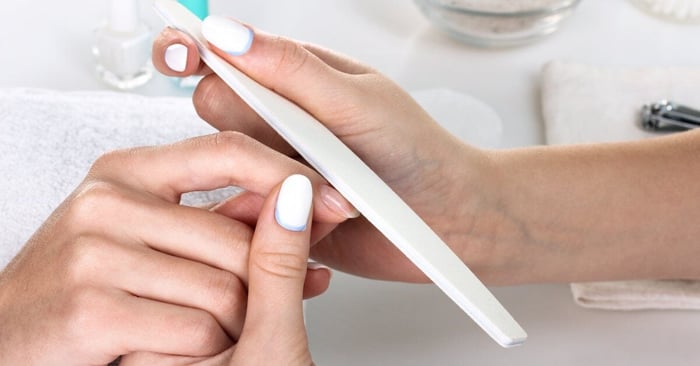
File correctly. Always file in one direction—never saw back and forth. Use a fine-grit nail file on natural nails.
Take breaks from polish. Give your nails a few days of bare, oiled rest every month. This allows the nail plate to rehydrate and prevents staining.
Use non-acetone removers. Acetone is extremely drying and can make nails more porous. Use a non-acetone remover for regular polish and limit acetone use to gel removal.
How to Prevent Yellow Nails
Always use a base coat. This is the single most effective prevention method. Apply a thin, even layer of base coat before any colour. For extra protection, use a ridge-filling base coat, which provides a thicker barrier.
Limit dark polish wear. Dark colours—especially reds, blues, and purples—are the most likely to stain. Limit the time you wear them to a week at a time, and always use a base coat.
Choose high-quality polishes. Professional-grade polishes use higher-quality pigments that are less likely to penetrate the nail plate. They are worth the investment.
Remove polish gently. Avoid peeling or scraping off polish, which can damage the nail surface. Use a gentle remover and allow it to dissolve the polish.
Give your nails rest. Take a break from polish for a few days every month. This allows the nail plate to breathe and recover.
Stay hydrated and eat well. Healthy nails are less prone to staining. A balanced diet with adequate protein, biotin, and iron supports strong, resilient nails.
The Bottom Line
Yellow nails are usually preventable and often fixable. The most common cause is staining from dark polishes, which can be avoided with a base coat and regular breaks. If your nails are already yellow, gentle buffing, lemon juice, or baking soda can help. The key to prevention is consistent care—base coat, quality polishes, and giving your nails time to breathe. With a little attention, your nails can stay naturally clear and healthy.
Read also: How Vitamins Affect Your Nail Health: Strengthen Weak Nails from the Inside Out
One thought on “How to Prevent Yellow Nails: Causes, Fixes, and Long-Term Care”